|
|
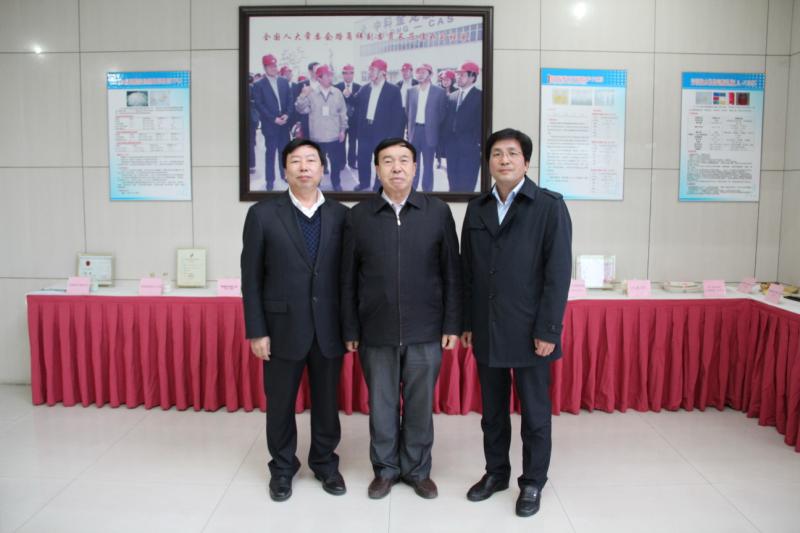
Academician Chen Xuegeng pays close attention to the test of mulching film1. Research and development of special resin for PPC-TPU mulch film with high water vapor barrier properties Moisture retention and moisture retention is an important indicator to measure the performance of mulch film. By optimizing the main synthetic components of PPC-TPU, such as isocyanate, polyol, chain extender, etc., the interaction force between molecular chains is further enhanced and the molecular stacking is more compact; Using mixed ether technology to improve the hydrophobicity of the soft segment, so that the water vapor transmission rate is close to the level of the PE mulch film; 2. Preparation technology of low-cost PPC-TPU mulch film The large-scale laying of PPC-TPU degradation agricultural film also depends on the extent of material cost reduction. Therefore, firstly, further improve the catalytic activity of the catalyst, which not only reduces the reaction time and the amount of catalyst, but also inhibits the depolymerization of PPC by the residual catalyst under natural conditions. , Improve the stability of the resin; secondly, improve the blown film performance of PPC-TPU, reduce the amount of the higher-cost PBAT component, and increase the amount of the cheaper PLA in the composite system; 3. Capacity increasing technology of PPC-TPU/PBAT/PLA multi-phase system At present, commercialized biodegradable materials have their own characteristics in terms of performance and price. Therefore, the use of multiphase blending technology is the main technical way to improve the processing performance of materials and improve the cost performance. However, the simple blends undergo macroscopic phase separation over time and after being impacted by high and low temperatures, leading to early cracking and disintegration of the mulch film during use, and the loss of moisture retention and moisture retention of the mulching film. The study uses a twin-screw extruder to pass transesterification. It acts as a method of forming multi-block copolymers to enhance the compatibility between multiple components and improve the stability of its structure and performance during the service period.
|